

When I first became a stay at home parent, a quick insurance guide for stay at home parents was the last thing on my mind. I was too busy figuring out nap schedules and surviving on cold coffee. Then my husband threw out his back, missed two weeks of work, and reality hit hard. Nobody was covering me. If something happened to either of us, our family had zero financial backup. That wake-up call changed everything, and I spent months researching what we actually needed. Here’s what I learned so you don’t have to panic like I did.
Why Stay at Home Parents Need Insurance Coverage
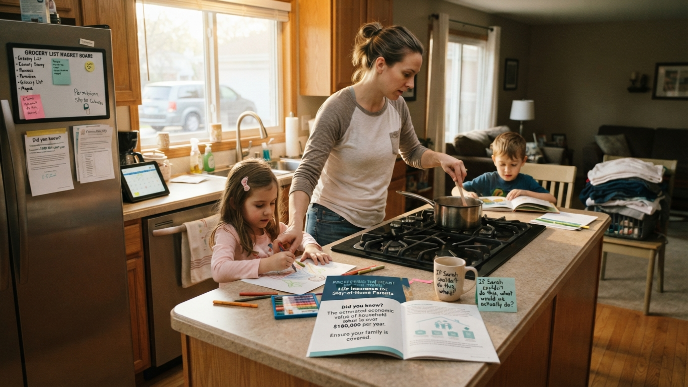
A lot of people assume that because stay at home parents don’t earn a paycheck, they don’t need insurance. That’s honestly one of the most expensive mistakes a family can make. According to Salary.com’s annual survey, the economic value of a stay at home parent’s work exceeds $180,000 per year when you factor in childcare, cooking, cleaning, transportation, and household management.
If you suddenly couldn’t do any of that, your partner would need to hire help or reduce their work hours. Either option costs real money. Insurance isn’t about replacing a salary. It’s about replacing the massive amount of labor and value you bring to your household every single day. Once I started thinking about it that way, the whole conversation shifted for our family.
The Types of Insurance Every Stay at Home Parent Should Consider
Not every policy out there makes sense for your situation. I wasted time looking at plans that didn’t apply to us at all. Here’s what actually matters.
Life Insurance
This is the big one. If something happens to you, your partner will need to pay for childcare, possibly a housekeeper, meal prep services, and more. A term life insurance policy through a company like Haven Life or Bestow can cost as little as $15 to $30 per month for a healthy 30-something parent. I went with a 20-year term policy for $500,000, which felt like enough to cover childcare costs until my youngest graduates high school.
Don’t skip this because you think only breadwinners need life insurance. That mindset will leave your family scrambling.
Health Insurance
If you left a job to stay home, you probably lost employer-sponsored health coverage. Your options include joining your spouse’s employer plan during open enrollment or a qualifying life event, shopping on the ACA Marketplace at Healthcare.gov, or looking into health sharing ministries if you’re open to alternatives.
I joined my husband’s plan, which added about $300 per month to his premium. It stung, but one ER visit without coverage would have cost ten times that. Make sure you’re covered, period.
Disability Insurance
Most people don’t associate disability insurance with stay at home parents, but hear me out. Some companies, like Breeze or Guardian, offer policies that pay a benefit if you become unable to perform your regular duties, including household and caregiving responsibilities. The monthly cost varies, but basic policies can start around $40 to $70 per month.
I’ll be honest, we didn’t get this one right away because money was tight. But after watching a friend go through a serious car accident while her kids were toddlers, we added it. Her family had to hire full-time help for six months. That’s tens of thousands of dollars most families don’t have sitting around.

Umbrella Insurance
This one surprised me. An umbrella policy extends your liability coverage beyond what your homeowner’s or auto insurance provides. If someone gets hurt at your house during a playdate or you’re involved in a car accident while driving the kids to soccer, an umbrella policy kicks in after your primary insurance maxes out.
Companies like State Farm and USAA offer umbrella policies starting at about $150 to $300 per year for $1 million in coverage. For the peace of mind it gave me, that felt like a bargain.
How to Figure Out How Much Coverage You Actually Need
Here’s where most guides get vague, so I’ll be specific. Sit down and calculate what it would cost to replace everything you do. Grab a notebook or open a spreadsheet and list it out.
Think about full-time childcare or nanny costs in your area. In my zip code, that runs about $2,000 per month per child. Add house cleaning services, which average $150 to $200 per visit if you go biweekly. Factor in meal delivery or a personal chef service if nobody in the household cooks. Include transportation costs like rideshares for kid activities if your partner can’t leave work.
Multiply your total monthly number by the number of years until your youngest child is self-sufficient. That gives you a solid baseline for your life insurance coverage amount. I ran these numbers on a rainy Tuesday afternoon and honestly felt a little validated seeing how much my daily work was worth in dollar terms.
A Quick Insurance Guide for Stay at Home Parents on a Tight Budget
Money is tight for a lot of single-income families. I get it because we lived it. Here are some real strategies that helped us afford coverage without sacrificing groceries.
Start with term life insurance only. Whole life policies are significantly more expensive and most families don’t need them. A 20-year term policy gives you coverage during the years your kids depend on you most.
Shop around aggressively. I compared quotes from Policygenius, Ethos, and Haven Life before choosing. Prices varied by over $10 per month for nearly identical coverage, and that adds up over a 20-year term.
Bundle your policies when possible. Many insurers offer discounts if you combine auto, home, and umbrella coverage. We saved about 15% by bundling through Progressive.
Skip riders and add-ons you don’t need. Accidental death riders, return of premium options, and other extras sound nice but inflate your costs fast. Keep it simple and revisit later when your budget allows.

Common Mistakes Stay at Home Parents Make with Insurance
I made a few of these myself, so no judgment here.
The first mistake is assuming your working spouse’s coverage is enough. Their employer life insurance policy, usually one to two times their salary, probably won’t cover the cost of replacing your work at home. You each need your own policy.
Another mistake is waiting too long. Premiums go up as you age, and health conditions can disqualify you or make coverage more expensive. I locked in my policy at 32 and my rate was significantly lower than quotes I pulled just three years later.
A third mistake is forgetting to update beneficiaries. If you got a policy before having kids or before getting married, your beneficiaries might be outdated. Check them yearly. It takes five minutes and could prevent a legal nightmare.
The last one is treating insurance as optional. I know it feels like an expense you can push to “someday.” But someday has a way of showing up when you least expect it. FYI, most families who file a claim say they wish they’d gotten more coverage, not less.
When to Reassess Your Insurance as a Stay at Home Parent
Your insurance needs aren’t static. I review ours every year around tax season because all our financial documents are already spread across the kitchen table anyway.
You should reassess when you have another child, when you buy or sell a home, when your spouse changes jobs and their benefits change, when you take on new debt like a car loan, or when your kids reach school age and your childcare costs shift. Each of these life changes can mean you need more coverage, less coverage, or a different type altogether. Don’t just set it and forget it.

Frequently Asked Questions
Do stay at home parents really need life insurance?
Absolutely. The work you do at home has massive financial value. If you weren’t there, your family would need to pay for childcare, cooking, cleaning, and more. A term life policy ensures your partner can afford that help without going into debt or leaving their job.
How much life insurance should a stay at home parent get?
A common recommendation is $250,000 to $500,000, but it depends on your family size, location, and childcare costs. Calculate what it would cost to replace your daily contributions for 15 to 20 years. That number is your starting point, and you can adjust from there.
Is this quick insurance guide for stay at home parents applicable if I work part-time?
Yes, and you might need even more coverage. Part-time income plus the value of your at-home labor means losing you would create a double financial hit. Factor both your earnings and your household contributions into your coverage calculations.
What’s the most affordable type of insurance to start with?
Term life insurance is the most budget-friendly option with the biggest impact. Healthy parents in their 20s and 30s can find policies for under $20 per month through companies like Bestow or Ethos. It’s the single best bang for your buck when money is tight.
Can I get disability insurance as a stay at home parent?
Some insurers do offer policies for non-income earners, though options are more limited. Companies like Guardian and Mutual of Omaha have products designed for homemakers. IMO, it’s worth at least getting a quote, because a serious injury could cost your family thousands in hired help.
Should both parents have insurance even on one income?
Yes, both parents should carry their own life insurance policies. The working parent needs coverage to replace their income, and the stay at home parent needs coverage to replace their labor. Skipping either one leaves a dangerous gap in your family’s financial safety net.
Conclusion
Getting the right insurance in place as a stay at home parent isn’t glamorous, but it’s one of the most important things you can do for your family’s future. Start with term life insurance, build from there as your budget allows, and review everything once a year. What type of coverage did you start with, or what’s been holding you back from getting a policy?