
If you’ve ever watched your car insurance premium skyrocket just because you told your agent how many miles you drive to work, you need this budget friendly insurance guide for long haul commuters. I spent three years commuting 86 miles round trip, five days a week, and I burned through money on premiums that made zero sense. My paychecks felt like they went straight to my insurance company. The thing is, I was doing almost everything wrong, and nobody told me until I figured it out myself.
Why Long Commutes Destroy Your Insurance Rates
Most people don’t realize just how heavily insurers weigh annual mileage. When I first quoted my policy and entered 22,000 miles per year, the rate jumped by nearly 30% compared to someone driving 10,000. Insurance companies see more miles as more risk, and they aren’t wrong statistically. More time on the road means more exposure to accidents, weather, and other drivers’ mistakes.
But here’s what frustrated me: I was a safe driver with a clean record, and none of that seemed to matter as much as the odometer. The algorithms treat all high-mileage drivers the same, whether you’re weaving through downtown traffic or cruising a straight highway. That distinction matters a lot, and the smarter insurers are starting to account for it. Your job is to find those insurers and use every tool they offer.

Start by Knowing Your Actual Annual Mileage
Before you shop for anything, calculate your real mileage. I mean down to the number. Take your round-trip commute, multiply it by the number of days you actually drive to work per year (factor in holidays, remote days, vacations), and add a reasonable estimate for personal driving.
When I did this honestly, I realized I was overreporting by about 3,000 miles. I had told my insurer 22,000 when my real number was closer to 19,000. That difference alone saved me $180 a year when I corrected it. Don’t guess. Check your odometer today, set a reminder to check it again in a month, and do the math. Insurers often ask for estimates and never verify, which means a lot of people accidentally overshoot and pay for phantom miles.
Use Telematics Programs to Prove You’re a Safe Driver
This was the single biggest win for me. Programs like Progressive’s Snapshot, State Farm’s Drive Safe & Save, and Allstate’s Drivewise track your actual driving behavior, speed, braking, time of day, and mileage. If you’re a steady highway commuter who doesn’t slam the brakes every two minutes, these programs reward you.
I enrolled in Drive Safe & Save through State Farm and earned a 22% discount after my first review period. Highway commuters tend to score well because highway driving is smoother and more predictable than city driving. The app ran in the background on my phone, and I barely noticed it. One thing to watch out for: some programs penalize late-night driving. If you work odd shifts, ask specifically about how time-of-day scoring works before you sign up. Not every telematics program treats night driving the same way.

Budget Friendly Insurance Guide for Long Haul Commuters: Comparing the Right Providers
Not all insurance companies price long commutes equally. I quoted the same coverage with five different carriers in the same month, and the spread was over $1,100 per year. That’s not a typo. Same car. Same driver. Same coverage limits. Wildly different prices.
Here’s what I found from personal experience. GEICO consistently offered competitive rates for high-mileage drivers. Their online quoting tool made it easy to adjust mileage and see real-time price changes. Erie Insurance, if it’s available in your state, was surprisingly affordable and had excellent customer service. Progressive was middle of the pack on base price but became the cheapest option once I factored in their telematics discount. Liberty Mutual was the most expensive for my profile, though your results may vary depending on location and driving record.
The lesson: quote at least four or five companies every year. Loyalty discounts from your current insurer almost never beat the savings you get from switching to a competitor who wants your business.
Don’t Overlook Regional and Mutual Insurers
Big national brands dominate advertising, but smaller regional carriers sometimes offer much better rates for commuters. Companies like Wawanesa (in California), Amica Mutual, and Auto-Owners Insurance don’t spend billions on TV commercials, which means lower overhead and sometimes lower premiums. I almost missed Amica because I’d never heard of them, and they ended up being my second-cheapest quote.
Raise Your Deductible Strategically
This advice gets repeated a lot, but most guides don’t explain the math for commuters specifically. Here’s how I think about it. When you drive 20,000+ miles a year, your chance of filing a claim is statistically higher. So raising your deductible from $500 to $1,000 saves you real money on premiums, but you need to actually have that $1,000 accessible in savings if something happens.
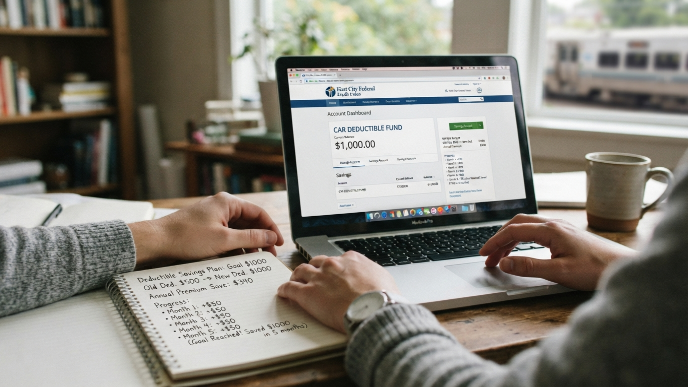
I raised my deductible and saved $340 annually. I put $50 a month into a separate savings account labeled “car deductible fund” until I hit $1,000, and then I stopped. It took me five months. That fund sat there untouched for two years before I needed it. The premium savings more than covered the higher out-of-pocket cost when I eventually filed a minor fender bender claim. If you can’t comfortably set aside the higher deductible amount, don’t raise it. The savings aren’t worth the stress.
Bundle, But Only If the Math Actually Works
Every insurer pushes bundling. Combine auto and renters or auto and home, and you’ll save 15%, they say. Sometimes that’s true. Sometimes the “bundled” price is still higher than buying separate policies from different companies.
When I bundled my auto and renters insurance with Progressive, I saved about $200 a year compared to having them separate. But when I tried bundling with Allstate, the combined price was actually $90 more than buying my auto from GEICO and renters from Lemonade separately. Always run the numbers both ways. Get the bundled quote, then get individual quotes from different carriers for each policy, and compare the totals. It takes an extra 20 minutes, and it’s worth every second.
Drop Coverage You Don’t Actually Need
If you’re driving an older car with a low market value, carrying comprehensive and collision coverage might not make financial sense. My commuter car was a 2013 Honda Civic worth about $8,500. I was paying $780 a year for comp and collision with a $1,000 deductible. If the car got totaled, I’d receive roughly $7,500 after the deductible. I decided the coverage was still worth it for me because I depended on that car daily, but the tipping point is different for everyone.
A common rule of thumb: if your annual comp and collision premiums exceed 10% of your car’s value, consider dropping them. For a car worth $4,000, paying $600 a year in comp and collision doesn’t make much sense. You’d essentially “pay for the car” again in premiums over six to seven years. Keep your liability coverage strong though. Skimping on liability to save $50 a month is a terrible gamble, especially when you’re on the road that much.
Consider Pay-Per-Mile Insurance for Hybrid Commuters
If you don’t commute every single day, pay-per-mile insurance from companies like Metromile (now part of Lemonade) or Mile Auto can be a fantastic deal. You pay a low base rate plus a per-mile charge, usually between 2 and 6 cents per mile.
This won’t save money if you’re driving 80+ miles every workday. But if you commute three days and work remotely two days, the math can flip in your favor. I tested Metromile during a period when my company offered hybrid schedules, and my monthly cost dropped from $165 to about $110. When I went back to five days in the office, I switched back to a traditional policy. Pay-per-mile is a tool, not a permanent solution for everyone. Check it when your commute pattern changes.
Maintain a Clean Record Like Your Wallet Depends on It
Because it literally does. One at-fault accident can raise your premiums by 40% to 50% for three to five years. One speeding ticket can add 20% to 30%. When you’re already paying a premium for high mileage, those surcharges hit even harder.
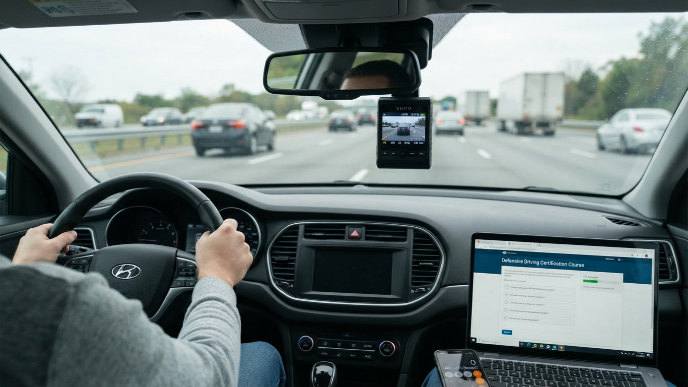
I invested in a good dashcam (the Viofo A129 Duo, about $120) after a close call on the highway. It’s saved me once already when another driver merged into my lane and tried to blame me. The footage cleared everything up, and my rates stayed clean. Defensive driving courses can also earn you a small discount, usually 5% to 10%, depending on your state and insurer. Most courses cost $25 to $50 online and take a few hours. IMO, that’s a pretty solid return on investment for an afternoon on the couch.
Review Your Policy Every Six Months
Insurance rates change constantly. Your profile changes too. Maybe you moved closer to work. Maybe your car aged another year. Maybe a new competitor entered your state’s market. I set a calendar reminder every six months to re-quote my policy, and I’ve switched carriers three times in five years. Each switch saved me between $200 and $500 annually.
FYI, most insurers won’t penalize you for switching mid-policy. You’ll get a prorated refund for the unused portion. Don’t feel trapped just because you’re in the middle of a policy term.
Frequently Asked Questions
Does commuting distance really affect car insurance rates that much?
Yes, absolutely. Most insurers use annual mileage as a major rating factor. Driving 20,000 miles a year versus 10,000 can increase your premium by 20% to 35%, depending on the company. The logic is simple: more miles means more exposure to potential accidents. Shopping around helps because different insurers weigh mileage differently.
What’s the best budget friendly insurance option for long haul commuters?
There’s no single best option because rates vary wildly by state, age, and driving record. In my experience, GEICO and Progressive consistently offered the lowest rates for high-mileage drivers. Telematics programs from State Farm and Allstate also created significant savings. The best approach is quoting multiple companies and stacking discounts.
Can a dashcam actually lower my insurance premium?
A few insurers offer small dashcam discounts, but most don’t yet. The real value is protecting your record. If you’re in an accident that isn’t your fault, footage can prevent a rate increase by proving liability. For commuters who spend hours on the road daily, that protection is worth the upfront cost of a decent camera.
Is pay-per-mile insurance worth it for daily commuters?
For someone driving 80+ miles every workday, probably not. The per-mile charges add up fast at that volume. But if you commute three or four days a week, or your round trip is under 40 miles, pay-per-mile options like Metromile or Mile Auto can save real money compared to traditional policies. Run the numbers with your actual mileage before committing.
How often should I shop for new car insurance quotes?
Every six months is the sweet spot. Rates change frequently, and your own profile shifts over time. I’ve saved hundreds of dollars just by re-quoting twice a year, even when I didn’t expect a better deal. It takes about 30 minutes, and comparison tools like The Zebra or Policygenius make the process faster.
Conclusion
Long commutes don’t have to mean painful insurance bills. The combination of accurate mileage reporting, telematics programs, strategic deductible choices, and regular comparison shopping made a real difference in what I pay every month. What’s your commute like, and have you found any tricks that keep your premiums reasonable?