
If you’ve ever Googled “do I need special insurance?” at 3 a.m. between tasks, this easy insurance guide for night shift workers is exactly what you’ve been looking for. Working nights changes your body, your routine, and honestly, your risk profile. Most insurance advice out there assumes you work a standard 9-to-5. That’s not your reality. I spent six years on overnight rotations in a warehouse, and I made every insurance mistake you can imagine before I figured things out.
Why Night Shift Workers Face Unique Insurance Challenges
Insurance companies care about risk. The more risk you carry, the more they charge, or the more coverage you actually need. Night shift work introduces factors that daytime workers simply don’t deal with.
Studies consistently link overnight work to higher rates of heart disease, diabetes, sleep disorders, and even certain cancers. The World Health Organization classified night shift work as a probable carcinogen back in 2007. That sounds scary, but it’s actually useful information when you’re choosing coverage. You know upfront that your health risks look different, so your insurance strategy should too.
There’s also the driving factor. If you commute at 11 p.m. or 6 a.m., you’re sharing the road with drowsy drivers, lower visibility, and sometimes wildlife. Your auto insurance needs aren’t identical to someone who drives at noon.
Understanding these realities isn’t meant to stress you out. It’s meant to help you make smarter choices instead of just grabbing the cheapest plan and hoping for the best.

Health Insurance Is Your Top Priority
Let me be blunt. If you only get one type of insurance right, make it health insurance. Night shift workers use healthcare more frequently than their daytime counterparts, and the bills add up fast.
When I was working overnights, I developed chronic acid reflux and insomnia within the first two years. Those doctor visits, prescriptions, and eventually a sleep study would have cost me thousands without decent coverage. I had a coworker who skipped health insurance entirely because he was 26 and “felt fine.” He ended up in the ER with kidney stones and got a $14,000 bill.
What to Look for in a Health Plan
Pick a plan that covers preventive care and specialist visits with reasonable copays. If your employer offers insurance, compare the available tiers carefully. A low-premium, high-deductible plan might sound appealing, but if you’re already dealing with sleep-related health issues, you’ll hit that deductible fast.
Look for plans that include telehealth visits. When you wake up at 2 p.m. feeling terrible, the last thing you want is to wait until a clinic opens or burn one of your few free daytime hours sitting in a waiting room. Telehealth through providers like Teladoc or MDLive lets you talk to a doctor from your bed. That was a lifesaver for me more times than I can count.
If your employer doesn’t offer insurance, check Healthcare.gov during open enrollment. Night shift workers in lower wage brackets often qualify for subsidies that make marketplace plans genuinely affordable.
Life Insurance Matters More Than You Think
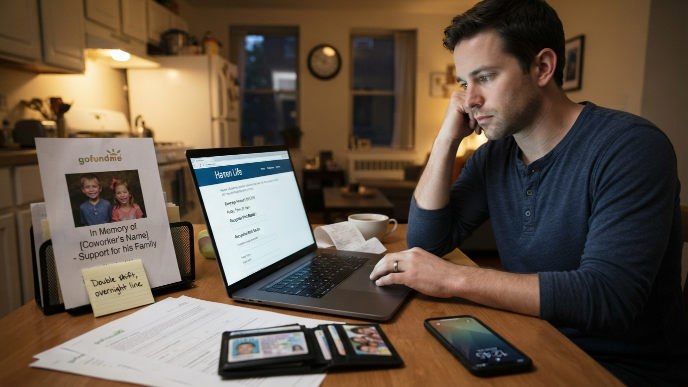
Most people in their 20s and 30s brush off life insurance. I did too, until a coworker on the overnight line had a fatal car accident driving home after a double shift. He had two kids and no life insurance. His family started a GoFundMe within a week.
That moment rewired how I thought about coverage.
Term life insurance is the simplest and cheapest option. A healthy 30-year-old can get a 20-year, $500,000 policy for roughly $25 to $35 a month through companies like Haven Life or Bestow. The application process for these online providers takes about 20 minutes, and some don’t even require a medical exam.
Here’s one thing that tripped me up: some life insurance applications ask about your occupation and shift schedule. Working nights can sometimes bump your premium slightly, depending on the insurer. Shop around. Not every company penalizes you for it. Ladder and Ethos are two other providers worth comparing quotes from.
If you have a spouse, kids, or anyone who depends on your income, stop putting this off.
Auto Insurance Adjustments for Late-Night Commuters
Your commute happens when the roads are darker and statistically more dangerous. The National Highway Traffic Safety Administration reports that fatal crashes spike between midnight and 3 a.m., partly due to drowsy and impaired drivers.
Most auto insurance companies ask when you primarily drive. Be honest. If you lie about your commute times and file a claim, your insurer could deny it. That said, driving fewer miles overall, which many night shift workers do since roads are emptier and commutes are shorter, can actually lower your premium.
Ask your insurer about low-mileage discounts. Progressive, GEICO, and State Farm all offer them. If you drive under 10,000 miles a year, you could save 5% to 15%.
Also consider adding roadside assistance to your policy. Breaking down at 1 a.m. on a rural road is a different experience than breaking down at 1 p.m. in a busy area. AAA membership or your insurer’s roadside add-on typically costs under $5 a month, and it’s worth every penny.
Disability Insurance: The Coverage Most People Skip
Here’s the insurance nobody talks about, and it’s arguably the most important for night shift workers. Disability insurance replaces a portion of your income if you get injured or sick and can’t work.
Think about what happens if you throw out your back lifting freight at 4 a.m. Or if chronic sleep deprivation triggers a serious health condition that sidelines you for months. Your rent doesn’t pause. Your car payment doesn’t pause.
Short-term disability typically covers 60% to 70% of your salary for three to six months. Long-term disability kicks in after that and can last years or even until retirement age. Many employers offer short-term disability as a benefit, sometimes at no extra cost. If yours does, enroll. I’ve seen too many coworkers skip it during onboarding because they were overwhelmed with paperwork.
If your employer doesn’t offer it, companies like Breeze and Guardian sell individual policies. Expect to pay 1% to 3% of your annual salary. For someone earning $45,000 a year, that’s roughly $37 to $112 per month. Not cheap, but way cheaper than losing your income entirely.

Workers’ Compensation: Know Your Rights
Every state except Texas requires most employers to carry workers’ compensation insurance. This covers medical bills and lost wages if you get hurt on the job. Night shift workers face higher injury rates because fatigue affects reaction time, coordination, and judgment.
The key thing I want you to remember is this: report every workplace injury immediately, no matter how small it seems. I once tweaked my shoulder pulling a pallet and didn’t report it because it “wasn’t that bad.” Two weeks later, I couldn’t lift my arm above my head. Because I hadn’t reported it when it happened, filing a workers’ comp claim became a nightmare.
Document everything. Tell your supervisor the same shift it happens. Fill out the incident report. Get a copy for yourself. If your employer presses you not to file, that’s a red flag, and in most states, it’s illegal.
How to Bundle and Save on Multiple Policies
Insurance gets expensive when you’re stacking health, auto, life, and disability policies on top of each other. Bundling can cut costs significantly.
Most major insurers offer discounts when you combine auto and renters or homeowners insurance. State Farm, Allstate, and USAA (if you’re military-connected) are all solid for bundling. I saved about $40 a month by combining my auto and renters policies through Progressive.
For health and life insurance, bundling isn’t as common, but buying through the same provider can simplify billing and sometimes unlock loyalty pricing. The real savings come from comparing quotes across multiple companies every year. Don’t just auto-renew. I use Policygenius to compare life and disability quotes side by side. It’s free and takes maybe 30 minutes.
One more tip: if your employer offers voluntary benefits like supplemental accident insurance or critical illness coverage through providers like Aflac or Colonial Life, those premiums come out pre-tax. That means they cost you less than buying the same coverage on your own.
Building Your Easy Insurance Guide for Night Shift Workers: A Quick Action Plan
Knowing what you need is step one. Actually doing it is step two. Here’s a simple order of operations that worked for me.
First, lock in health insurance. If open enrollment has passed, check if you qualify for a special enrollment period due to a life event, like moving or losing other coverage.
Second, sign up for any employer-offered disability and life insurance. These are often the cheapest options available to you, and enrollment takes five minutes during onboarding or open enrollment.
Third, review your auto insurance and update your commute details. Ask about low-mileage and safe-driver discounts.
Fourth, get an individual life insurance quote if your employer’s coverage is minimal. Most employer plans only cover one to two times your salary, which usually isn’t enough if you have dependents.
Fifth, revisit everything once a year. Your needs change. Your premiums change. Five minutes of comparison shopping can save you hundreds.

FAQs
Do night shift workers pay more for life insurance?
Some insurers charge slightly higher premiums for overnight workers, but it varies widely. Companies like Bestow and Ladder often don’t penalize shift work at all. Always get quotes from at least three providers before committing. The difference between the cheapest and most expensive quote surprised me by over $15 a month.
What type of insurance is most important for overnight workers?
Health insurance tops the list because night shift work carries well-documented health risks, including cardiovascular issues and sleep disorders. Disability insurance comes in as a close second. If you can only afford two policies right now, start with those and add life and supplemental coverage when your budget allows.
Can I use telehealth services with most health insurance plans?
Yes. Most marketplace and employer-sponsored plans now include telehealth coverage, especially after the expansion during COVID. Providers like Teladoc, Amwell, and MDLive are covered under many major plans. For night shift workers who sleep during clinic hours, telehealth is genuinely one of the most practical benefits available.
Does working nights affect my auto insurance rates?
It can, but not always in the way you’d expect. Commuting during high-risk hours might increase your premium slightly. However, if you drive fewer total miles because of off-peak commuting, you might actually qualify for a low-mileage discount that offsets any increase. Always update your insurer with accurate driving details.
Is an easy insurance guide for night shift workers different from standard advice?
Absolutely. Standard insurance advice assumes daytime schedules, typical commute hours, and average health risk profiles. Night shift workers face higher rates of chronic illness, workplace injuries, and road accidents during off-peak hours. Tailoring your coverage to these specific realities means you’re actually protected instead of just checking a box.
Conclusion
Getting your insurance sorted doesn’t have to feel overwhelming, even when your schedule is the opposite of everyone else’s. Start with the basics, compare a few quotes on your next day off, and build from there. What’s the one type of coverage you’ve been putting off the longest?