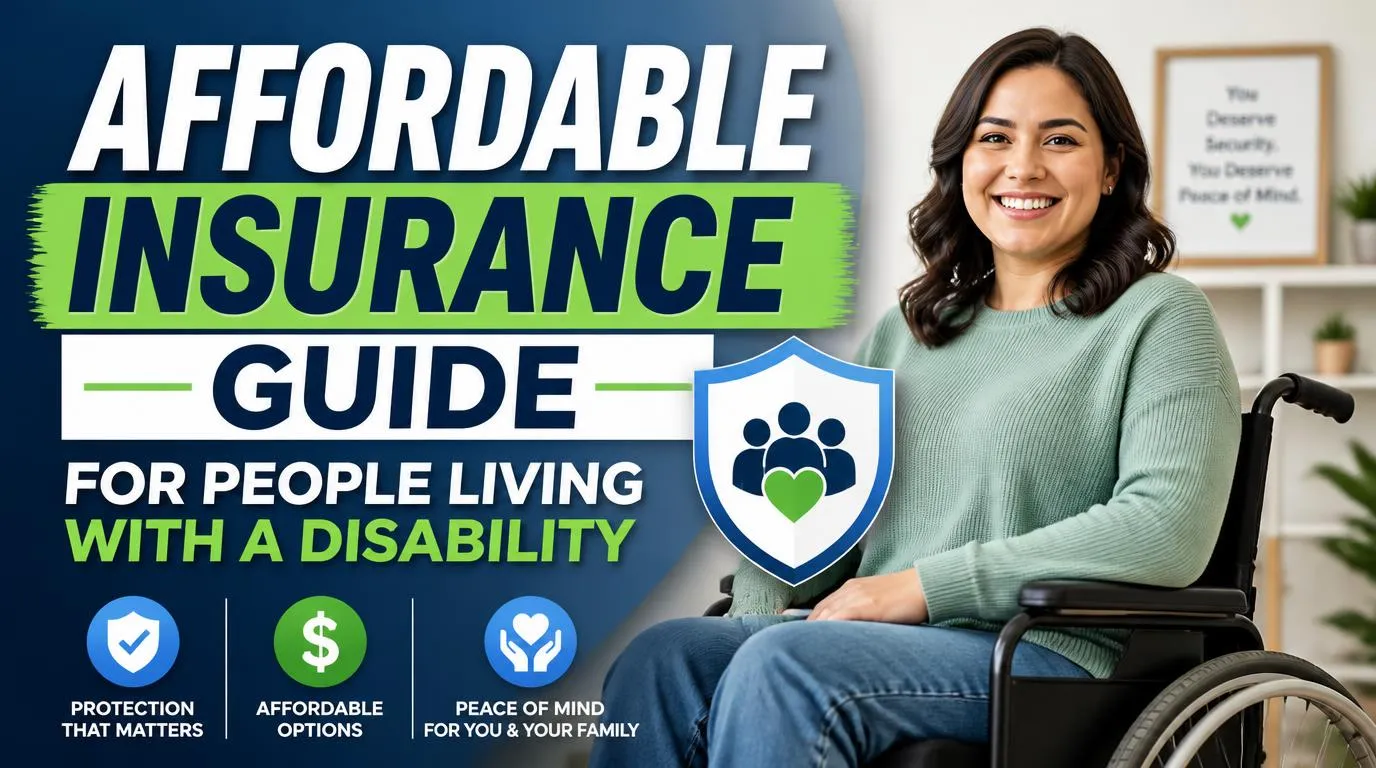
Finding an affordable insurance guide for people living with a disability shouldn’t feel like searching for a needle in a haystack, but it absolutely does. I know because I’ve been there. After my own diagnosis, I spent months drowning in confusing paperwork, sky-high quotes, and rejection letters that made me question whether coverage was even possible. The system isn’t designed to be easy. But once you understand how it actually works, you can find real coverage without emptying your bank account.
Why Standard Insurance Often Falls Short for Disabled Individuals
Most insurance products are built for people who fit neatly into a standard risk profile. When you live with a disability, you don’t fit that mold, and insurers know it. They see higher risk. They see potential claims. And they price accordingly, or they just decline your application altogether.
I remember applying for life insurance about two years after my diagnosis. The first company quoted me a premium that was nearly triple what my neighbor paid for the same coverage amount. The second company declined me outright. It was demoralizing, honestly.
The problem isn’t that affordable coverage doesn’t exist. The problem is that the mainstream insurance shopping experience, the comparison websites, the quick-quote tools, those are optimized for able-bodied applicants. They funnel you into products that weren’t designed with your situation in mind. Once you step outside that funnel and learn where to actually look, things change dramatically.

Understanding the Types of Insurance You Might Need
Before you start shopping, you need a clear picture of what coverage actually matters for your life. Not everyone needs every type of insurance, and spreading yourself too thin financially across policies you don’t need is a real trap.
Health Insurance
This is non-negotiable. If you have a disability, you likely interact with the healthcare system more frequently than the average person. Prescription costs, specialist visits, durable medical equipment, therapy sessions, these add up fast. Your health insurance plan needs to cover what you actually use, not just what looks good on paper.
Life Insurance
Many people with disabilities assume life insurance is off the table. It’s not. Guaranteed issue policies and group plans through employers or associations can offer coverage without medical underwriting. The amounts might be smaller, but having something matters.
Disability Insurance
This one trips people up. If you already have a disability, can you get disability insurance? Sometimes, yes. Some policies cover new conditions that are unrelated to your existing disability. It depends heavily on the policy language and the insurer.
Long-Term Care Insurance
Planning for future care needs is smart, especially if your condition is progressive. These policies are expensive, but some state partnership programs offer more accessible options.
How to Actually Find Affordable Coverage
Here’s where the practical stuff starts. I’ve broken this down into the approach that worked for me and for several friends in similar situations.
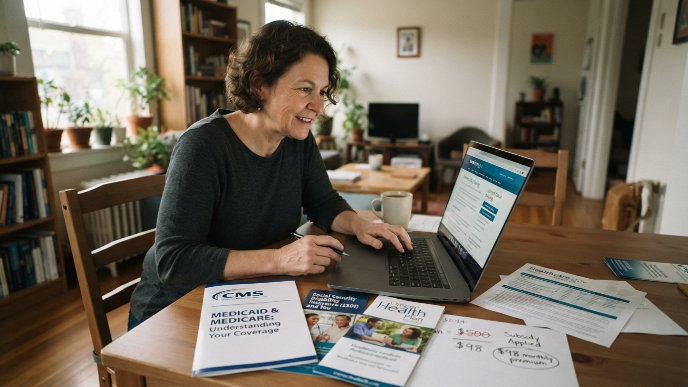
Start with government programs. Medicaid and Medicare are the backbone of health coverage for many disabled Americans. If you receive Social Security Disability Insurance (SSDI), you qualify for Medicare after a 24-month waiting period. If your income is low enough, Medicaid may cover you immediately, and many states have expanded Medicaid eligibility under the Affordable Care Act. Don’t assume you won’t qualify. Apply and find out.
Check your state’s Health Insurance Marketplace at Healthcare.gov during open enrollment. Subsidies based on income can dramatically reduce your monthly premium. I’ve seen plans drop from $500 a month to under $100 with the right subsidy. That’s real money back in your pocket every single month.
Working With an Insurance Broker Who Knows Disability
This was a turning point for me. I stopped trying to do everything online and called an independent insurance broker who specialized in high-risk and disability cases. The difference was night and day.
A good broker knows which companies are more lenient with specific conditions. They know which underwriters will look at your application favorably. They know the tricks, like applying to companies that weigh your condition differently based on how well it’s managed.
FYI, brokers typically don’t cost you anything extra. They earn a commission from the insurance company, not from you. So there’s really no downside to using one. I found mine through the National Association of Health Underwriters directory, but a simple search for “independent insurance broker disability specialist” in your state works too.
Ask them specifically about guaranteed issue policies. These are plans that accept you regardless of health status. The trade-off is usually higher premiums or lower coverage amounts, but they exist and they’re a legitimate option when traditional underwriting shuts you out.
Affordable Insurance Guide for People Living With a Disability: Key Programs to Know
Several programs exist specifically to help disabled individuals access insurance. Most people don’t know about half of them. I certainly didn’t until I started really digging.
ABLE Accounts
Achieving a Better Life Experience (ABLE) accounts let you save money for disability-related expenses without jeopardizing your eligibility for means-tested benefits like Medicaid or Supplemental Security Income (SSI). You can use ABLE funds toward health insurance premiums. Most states offer their own ABLE program, and you can usually enroll in any state’s plan regardless of where you live.
State High-Risk Pools
Some states still maintain high-risk insurance pools for people who can’t get coverage in the regular market. These have become less common since the ACA eliminated pre-existing condition exclusions for health insurance, but they still exist in certain states for other types of coverage.
Nonprofit and Advocacy Organizations
Groups like the National Organization on Disability, the Disability Rights Education and Defense Fund, and condition-specific organizations (like the Multiple Sclerosis Society or the Epilepsy Foundation) often maintain lists of insurance resources. Some even negotiate group rates for their members. I got a surprisingly good dental plan through a disability advocacy group I joined for a $25 annual membership fee.
Employer Group Plans
If you work, even part-time, check whether your employer offers group insurance. Group plans can’t deny you based on a pre-existing condition, and the premiums are often subsidized by your employer. This is one of the single best ways to get affordable coverage, and it’s why I always tell people: even a part-time job with benefits can be worth more than the paycheck itself.

Common Mistakes That Cost You Money
I made most of these mistakes myself, so I’m sharing them partly out of guilt and partly because they’re so avoidable.
Not comparing plans annually is the biggest one. Your health needs change. Plan networks change. Premiums change. What worked last year might be overcharging you this year. I saved $1,400 in one year just by switching to a different Marketplace plan during open enrollment. Same network, same doctors, lower premium. It took me 45 minutes.
Another mistake: not appealing denied claims. Insurance companies deny claims all the time, sometimes automatically. If you get a denial, appeal it. I’ve had three denials overturned on appeal, including one for a $2,800 piece of durable medical equipment that my doctor had prescribed. The appeals process is annoying, but it works more often than you’d expect.
Skipping prescription assistance programs is also a costly error. Programs like NeedyMeds, RxAssist, and manufacturer patient assistance programs can slash your medication costs. Some people get their medications completely free through these channels. If you’re paying full price for any medication, stop and check these resources first.
How to Handle Life Insurance With a Pre-Existing Disability
Life insurance deserves its own section because the process is different from health insurance, and the misconceptions are huge.
Yes, you can get life insurance with a disability. The key is knowing which type to pursue. Term life insurance with full medical underwriting will be the hardest to get and the most expensive if you do get approved. But it’s not impossible, especially if your condition is stable and well-managed.
Guaranteed issue whole life insurance doesn’t require a medical exam or health questions. Companies like Globe Life, Mutual of Omaha, and AARP (through New York Life) offer these products. Coverage amounts are typically capped at $25,000 to $50,000, and there’s usually a graded death benefit, meaning the full payout doesn’t kick in until you’ve held the policy for two to three years. But for someone who’s been declined elsewhere, this can be a lifeline.
Group life insurance through your employer, a union, or a professional association is another strong path. These plans accept all eligible members regardless of health. The coverage might only be one to two times your annual salary, but it’s often free or very low cost.
IMO, the best strategy is to layer multiple smaller policies rather than trying to get one big policy. A group plan from work plus a guaranteed issue policy plus a small term policy if you can qualify adds up to meaningful coverage without any single application being a make-or-break moment.

Protecting Your Rights as an Insurance Applicant
The ACA made it illegal for health insurers to deny coverage or charge more based on pre-existing conditions, including disabilities. This is huge, and it’s worth knowing your rights cold.
For other types of insurance, protections vary by state. Some states have additional anti-discrimination rules for life insurance and disability insurance applicants. Your state’s Department of Insurance website is the best place to check what protections apply to you. If you feel you’ve been unfairly denied or overcharged, you can file a complaint directly with that department. They actually investigate these, and I’ve heard from people who got results.
The Americans with Disabilities Act (ADA) also offers some protections, particularly around employer-sponsored insurance. If your employer offers health insurance to other employees, they must offer it to you on the same terms regardless of your disability.
Frequently Asked Questions
Can I get health insurance if I have a disability and no job?
Absolutely. Medicaid covers many disabled individuals regardless of employment status, especially in states that expanded coverage under the ACA. You can also shop on the Healthcare.gov Marketplace and may qualify for significant subsidies based on your income. SSDI recipients automatically qualify for Medicare after 24 months of benefits. Options exist even if none of them are obvious at first glance.
What’s the most affordable type of life insurance for someone with a disability?
Group life insurance through an employer or association is usually the cheapest because it skips medical underwriting entirely. Guaranteed issue whole life policies are the next most accessible option, though premiums run higher and coverage amounts are smaller. Layering a couple of smaller policies from different sources often gives you the best balance of coverage and cost.
Does having a disability automatically make insurance more expensive?
For health insurance, no. The ACA prohibits health insurers from charging higher premiums based on disability or health status. For life insurance and disability insurance, your condition can affect pricing or eligibility, but it varies widely by company and by how well your condition is managed. Shopping with a specialized broker helps you find the most competitive rates.
Are there specific insurance companies known for being disability-friendly?
Some companies have better reputations for working with disabled applicants. Mutual of Omaha, State Farm, and Prudential are frequently mentioned in disability communities as more accommodating during the underwriting process. That said, experiences vary by condition and by individual underwriter, so working with a broker who knows the landscape is still your best bet.
Where can I find an affordable insurance guide for people living with a disability that’s specific to my state?
Your state’s Department of Insurance website is a great starting point. Many states publish consumer guides specifically for people with disabilities or chronic conditions. Disability-specific nonprofits in your state often maintain updated resource lists too. The Social Security Administration’s website also links to state-level programs and benefits that connect to insurance access.
Conclusion
Getting affordable insurance with a disability is genuinely possible once you know where to look and who to ask. The process takes patience, some paperwork, and a willingness to push back when things don’t go your way, but the coverage you end up with can be solid and surprisingly affordable. What’s been your biggest challenge finding insurance, and did anything here help point you in a new direction?