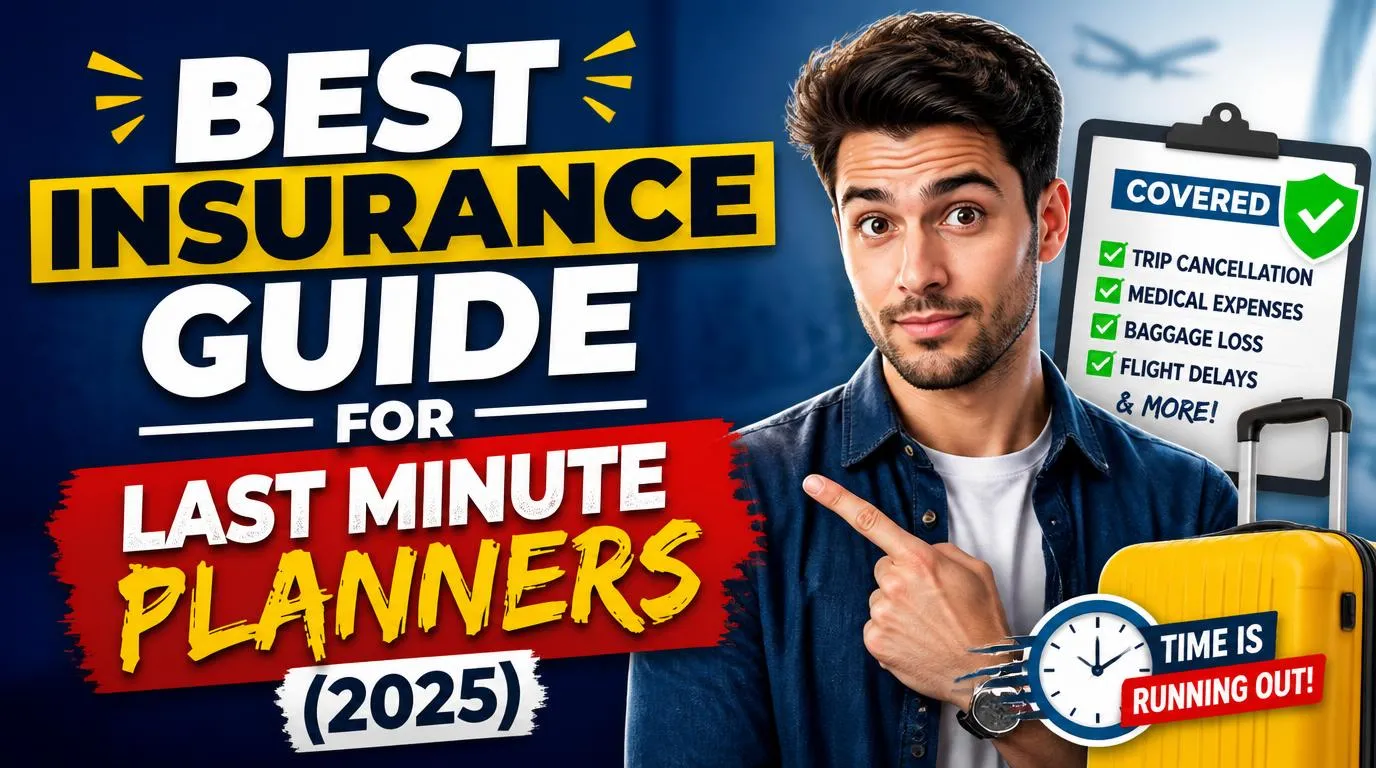
If you’ve ever searched “best insurance guide for last minute planners” at 11 PM the night before a trip, a closing date, or a life deadline, you’re my people. I’ve been the person panic-buying travel insurance at the airport gate. I’ve scrambled for renters insurance 48 hours before a lease started. It’s stressful, it’s messy, and it almost always costs more than it should. But it doesn’t have to. This guide is everything I wish I’d known back then.
Why Last Minute Insurance Shopping Feels So Overwhelming
The biggest problem with buying insurance under pressure is that your brain shifts into “just get something” mode. You stop comparing. You skip the fine print. You click the first thing that looks vaguely right and pray it works out.
I did exactly this when I booked a last minute trip to Costa Rica in 2023. I grabbed a travel insurance policy from the first site Google showed me. It was $87 for a week. Seemed fine. Then I actually read my coverage email on the plane and realized it didn’t cover adventure activities, which was literally the entire point of the trip. Zip-lining, white water rafting, none of it.
That moment taught me something important. Rushing doesn’t mean you have to be reckless. You just need a faster, smarter system for choosing the right policy. And that’s what this guide gives you, a repeatable process you can use whether you have 72 hours or 72 minutes.

Figure Out What You Actually Need Coverage For
Before you open a single insurance website, spend two minutes answering one question: what specific risk am I trying to protect against?
This sounds obvious, but most last minute shoppers skip it. They search “cheap insurance” and end up with a policy that technically exists but practically covers nothing useful. If you’re traveling, your risk is trip cancellation, medical emergencies abroad, or lost luggage. If you’re renting an apartment, your risk is liability and personal property theft. If you just bought a car, your risk is collision and comprehensive damage.
Write down your top two risks. Just two. That focus will save you from buying bloated policies stuffed with coverage you’ll never use. I keep a note on my phone now with a quick list for each insurance type I might need in a rush. It takes 30 seconds to reference, and it keeps me from spiraling into comparison paralysis.
The Best Insurance Guide for Last Minute Planners: A Type-by-Type Breakdown
Not all insurance works the same way when you’re short on time. Some types you can buy instantly online. Others have waiting periods that could leave you uncovered even after you pay. Here’s what I’ve learned about the most common types.
Travel Insurance
This is the easiest to buy last minute. Companies like World Nomads, Allianz Travel, and Battleface let you purchase a policy online in under 10 minutes, sometimes even after your trip has started. World Nomads specifically markets to spontaneous travelers and covers a wide range of adventure activities. I’ve used them three times now. The key detail to check: does the policy cover pre-existing medical conditions? Many last minute travel policies exclude them unless you buy within a specific window of your initial trip deposit.
Renters Insurance
Most renters insurance policies from Lemonade, Toggle, or State Farm activate within 24 hours, some immediately. Lemonade’s app is genuinely fast. I got a policy in about 90 seconds once. Premiums run around $10 to $25 per month for most apartments. The trap here is undervaluing your personal property. Do a quick mental walkthrough of your place and estimate what replacing everything would actually cost. Most people lowball it by thousands.

Auto Insurance
You can bind an auto policy the same day with companies like Progressive, GEICO, or Root. But here’s the catch: rates for same-day coverage tend to be higher because insurers see urgency as a risk signal. If you can, even starting your search 48 hours earlier can save you 10 to 15 percent. Also, make sure you understand your state’s minimum liability requirements before you buy. Driving without proper minimums is technically still driving uninsured in some states.
Health Insurance
This one is tricky for last minute planners. Open enrollment periods for ACA marketplace plans only happen once a year, typically November through mid-January. Outside that window, you need a qualifying life event like losing employer coverage, getting married, or having a baby. Short-term health insurance from companies like Pivot Health or United Health One can fill gaps, but these plans often exclude pre-existing conditions and have coverage caps. They’re a band-aid, not a long-term solution.
Homeowners Insurance
If you’re closing on a house and realize you forgot to set up homeowners insurance, don’t panic, but move quickly. Most mortgage lenders require proof of insurance before closing. Companies like Hippo and Openly offer fast online quotes. Your mortgage company might also have a preferred provider that can expedite things. I’ve seen people get bound same-day, but it usually requires a phone call, not just an online form.

Tools That Actually Speed Up the Process
A few platforms have genuinely made last minute insurance shopping faster, and I mean tools I’ve personally used, not just ones with good marketing.
Policygenius is fantastic for comparing multiple quotes across different insurers in one place. It works for life, renters, home, and auto insurance. You fill out one form and get several options back. It cuts comparison time from hours to maybe 20 minutes.
The Jerry app does something similar specifically for auto insurance. It pulls your existing policy details and shops competing rates automatically. I switched my car insurance through Jerry last year and saved about $400 annually, and the whole process took maybe 15 minutes.
For travel insurance, Squaremouth lets you compare plans side by side with filters for exactly the coverage you need. You can sort by price, coverage type, or customer rating. It’s the closest thing to a “best insurance guide for last minute planners” in app form.
Common Mistakes That Cost Last Minute Buyers Real Money
I’ve made most of these mistakes personally. Hopefully you can skip them.
First, buying the cheapest policy without reading the exclusions. A $30 travel policy means nothing if it excludes the one scenario you actually need coverage for. Always read the exclusion list, even if you skim everything else.
Second, not checking for waiting periods. Some life insurance policies have a two-year waiting period before the full death benefit kicks in. Some pet insurance policies have 14-day waiting periods for illness coverage. If you need coverage immediately, confirm that the policy activates when you think it does.
Third, forgetting to bundle. If you already have auto insurance with a company and you need renters insurance, adding it to your existing policy almost always costs less than buying standalone. Most people don’t think about this when they’re rushing, but a quick phone call to your current insurer could save you 15 to 25 percent.
Fourth, not saving your policy documents somewhere accessible. I once needed my travel insurance policy number at a hospital in Thailand and couldn’t find the email. Now I screenshot every policy confirmation and save it to a dedicated folder on my phone. Takes five seconds. Potentially saves hours of panic later.

When “Last Minute” Is Actually Too Late
There are situations where no amount of hustle will get you covered in time, and it’s important to be honest about that.
Life insurance with meaningful coverage amounts takes weeks to finalize because most policies require a medical exam or at least a health questionnaire review. Guaranteed issue policies exist with no exam required, but they come with higher premiums and lower coverage caps.
Flood insurance through FEMA’s National Flood Insurance Program has a 30-day waiting period. If a hurricane is already in the forecast, you cannot buy a policy and expect it to cover storm damage next week.
Event insurance for weddings or large gatherings usually needs at least a few days to process, and some venues require proof of coverage weeks in advance.
Knowing these timelines helps you plan better, even if “planning” isn’t your strongest skill. FYI, being a last minute planner doesn’t make you irresponsible. It just means you need better systems.
How to Build a 15-Minute Insurance Decision Framework
Here’s the exact process I follow now when I need insurance fast. It works every time.
Minute one through three: define the risk. What am I protecting? What’s the worst realistic scenario?
Minute four through eight: open a comparison tool. Policygenius for most insurance types, Squaremouth for travel. Enter my details and get quotes.
Minute nine through twelve: compare the top three options. Check coverage limits, deductibles, and exclusions for my specific risk.
Minute thirteen through fifteen: buy the policy, save the confirmation to my phone, and move on with my life.
This framework has saved me from both overpaying and underinsuring. It works whether I’m buying renters insurance before a lease signing or travel coverage before an international flight. The key is having a process so your stressed-out brain doesn’t have to improvise every time.
Frequently Asked Questions
Can I buy insurance the same day I need it?
For most types, yes. Auto, renters, and travel insurance can often be purchased and activated within hours or even minutes. Health insurance and life insurance are exceptions because they involve enrollment windows or underwriting processes. Always confirm the policy’s effective date before you pay so there’s no gap in coverage.
Is last minute insurance more expensive than buying ahead of time?
Sometimes. Auto insurers may charge slightly more for same-day binding because urgency signals higher risk. Travel insurance prices generally stay the same regardless of when you buy, though your coverage options might narrow closer to your departure date. Shopping through comparison tools helps you avoid overpaying even when time is tight.
What’s the fastest way to get travel insurance as a last minute planner?
World Nomads and Battleface both let you buy coverage online in under 10 minutes, even after your trip has already started. Squaremouth is great for comparing plans quickly. Make sure the policy covers your specific activities and destination. Print or screenshot your policy number before you leave, because you might not have internet when you need it most.
Does the best insurance guide for last minute planners apply to business owners too?
Absolutely. Small business owners often need general liability or professional liability insurance on short notice, especially before signing a new client contract. Companies like Next Insurance and Hiscox offer same-day certificates of insurance online. The same principles apply: know your risk, compare fast, read the exclusions, and save your documents somewhere accessible.
What should I do if I missed open enrollment for health insurance?
Check whether you qualify for a Special Enrollment Period through a qualifying life event like job loss, marriage, or relocation. If you don’t qualify, short-term health plans from providers like Pivot Health can bridge the gap until the next open enrollment. Just know these plans have significant limitations compared to full ACA marketplace coverage.
Is it worth buying insurance I might not use?
IMO, yes, if the potential financial loss is something you couldn’t comfortably absorb out of pocket. Insurance is about protecting against catastrophic costs, not everyday expenses. A $15 per month renters policy is worth it when a single break-in could cost you $10,000 in stolen electronics and furniture.
Conclusion
Getting insurance at the last minute doesn’t have to mean getting a bad deal. With the right tools, a clear sense of what you’re protecting against, and about 15 focused minutes, you can make a genuinely smart decision under pressure. So next time you’re scrambling, what’s the first thing you’re going to do differently?